1 Corinthians Study 23 (right click, save as to download)
1 Corinthians Study (right click, save as to download)
I. Introduction
II. Greetings From Paul and Sosthenes (1:1-1:9)
III. Divisions in the Congregation (1:10-4:21)
IV. Moral Disorder (5:1-6:20)
V. Marriage (7:1-40)
VI. Food Sacrificed to Idols (8:1-11:1)
VII. Men and Women in Worship (11:2-16)
VIII. The Lord’s Supper (11:17-34)
IX. Spiritual Gifts (12:1-14:40)
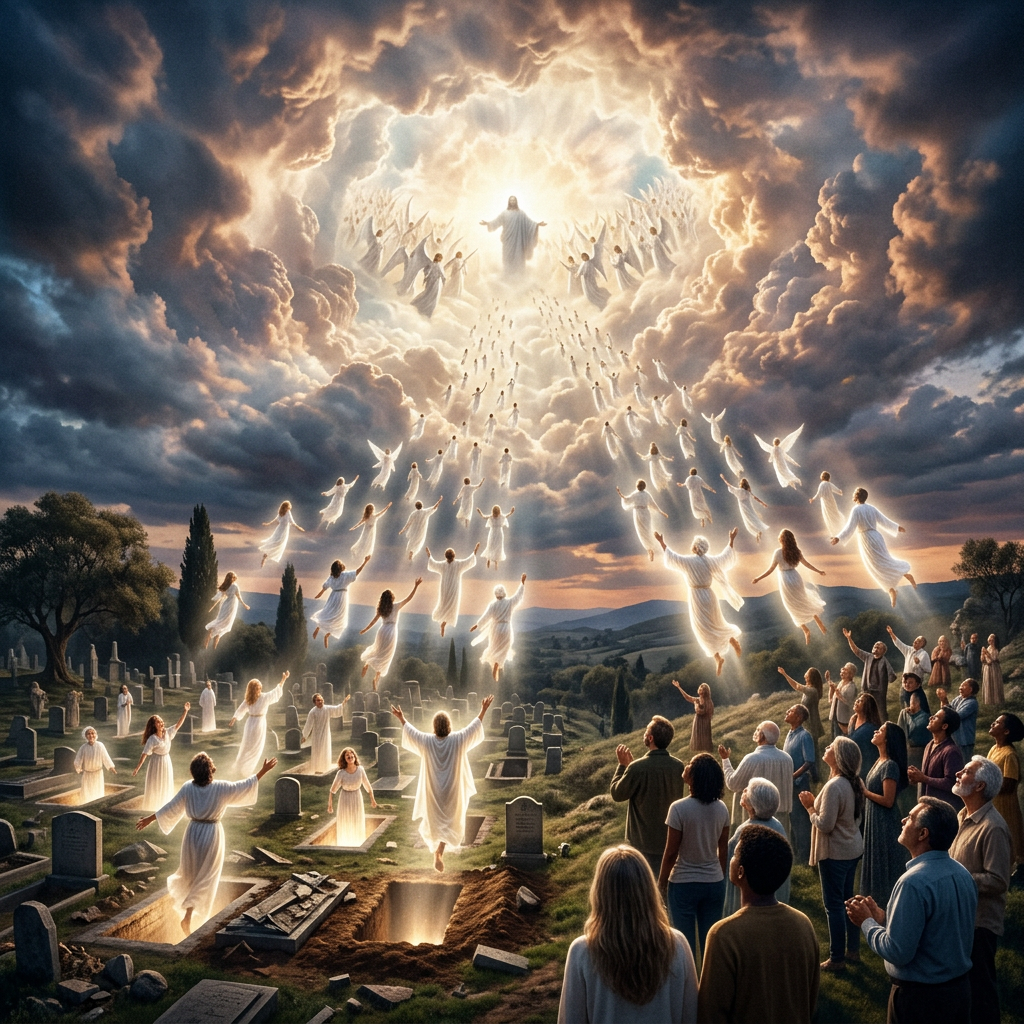
X. The Resurrection (15:1-58)
A. The Gospel of Grace (15:1-4)
B. Messiah’s Resurrection Appearances (15:5-11)
C. The Certainty of The Resurrection (15:12-34)
D. The Resurrection Body (15:35-49)
1. Analogy – Seeds and “Bodies” (15:35-44)
2. Analogy – Adam and Messiah (15:45-49)
1. Who is “the last Adam”? (v. 45)
E. The Assurance of Victory (15:50-58)
2. What is the “mystery” that Paul reveals to the believers in Corinth? (v. 51)
( Ref Revelation – Resurrection Study 29
Ref Revelation – A Woman, A Dragon and The Ecclesia – Study 20,
,Ref Revelation – Johns Vision Study 7 )
3. With a Biblical understanding of resurrection, how should we approach living our lives? (v. 58)
Jeremiah 31:33-34 – Jeremiah Study 30
Daniel 12 – Revelation Study 29
XI. Concluding Matters (16:1-24)
A. The Collection for the Believers in Jerusalem (16:1-4)
4. Why is Paul collecting money from the believers in Corinth? (v. 3)
B. Travel Plans – Paul, Timothy, and Apollos (16:5-12)
5. What does Paul say about his ministry in Ephesus? (v. 9)
6. Why would Paul be worried that anyone in Corinth would “despise” Timothy? (v. 11)
C. Exhortations (16:13-18)
7. What are the five ways Paul encourages the believers in Corinth in these verses? (v. 13-14)
Chart
Order of Resurrection Chart (You will want to see this.)
Past Study Reference
Revelation – Resurrection
Wayne Grudem: Systematic Theology

1 Corinthians Study 22 (right click, save as to download)
1 Corinthians Study (right click, save as to download)
I. Introduction
II. Greetings From Paul and Sosthenes (1:1-1:9)
III. Divisions in the Congregation (1:10-4:21)
IV. Moral Disorder (5:1-6:20)
V. Marriage (7:1-40)
VI. Food Sacrificed to Idols (8:1-11:1)
VII. Men and Women in Worship (11:2-16)
VIII. The Lord’s Supper (11:17-34)
IX. Spiritual Gifts (12:1-14:40)
X. The Resurrection (15:1-58)
A. The Gospel of Grace (15:1-4)
B. Messiah’s Resurrection Appearances (15:5-11)
C. The Certainty of The Resurrection (15:12-34)
1. If Messiah Has NOT Been Raised (15:12-19)
2. But Messiah HAS Been Raised (15:20-28)
1. How does Paul describe the process of the resurrection of the dead? (v. 23)
2. For how long must our resurrected Messiah reign? (v. 25)
3. Other Arguments for The Resurrection (15:29-34)
3. What does Paul recommend we do if there is no bodily resurrection? (v. 32)
D. The Resurrection Body (15:35-49)
1. Analogy – Seeds and “Bodies” (15:35-44)
4. How does Paul address them regarding their doubts about bodily resurrection? (v. 36)
5. What kind of body is the resurrection body? (v. 44)
2. Analogy – Adam and Messiah (15:45-49)
6. Who is “the last Adam”? (v. 45)
E. The Assurance of Victory (15:50-58)
7. What is the “mystery” that Paul reveals to the believers in Corinth? (v. 51)
8. With a Biblical understanding of resurrection, how should we approach living our lives? (v. 58)
Chart
Order of Resurrection Chart (You will want to see this.)
Past Study Reference
Revelation – Resurrection
Wayne Grudem: Systematic Theology
1 Corinthians Study 21 (right click, save as to download)
1 Corinthians Study (right click, save as to download)
I. Introduction
II. Greetings From Paul and Sosthenes (1:1-1:9)
III. Divisions in the Congregation (1:10-4:21)
IV. Moral Disorder (5:1-6:20)
V. Marriage (7:1-40)
VI. Food Sacrificed to Idols (8:1-11:1)
VII. Men and Women in Worship (11:2-16)
VIII. The Lord’s Supper (11:17-34)
IX. Spiritual Gifts (12:1-14:40)
X. The Resurrection (15:1-58)
A. The Gospel of Grace (15:1-4)
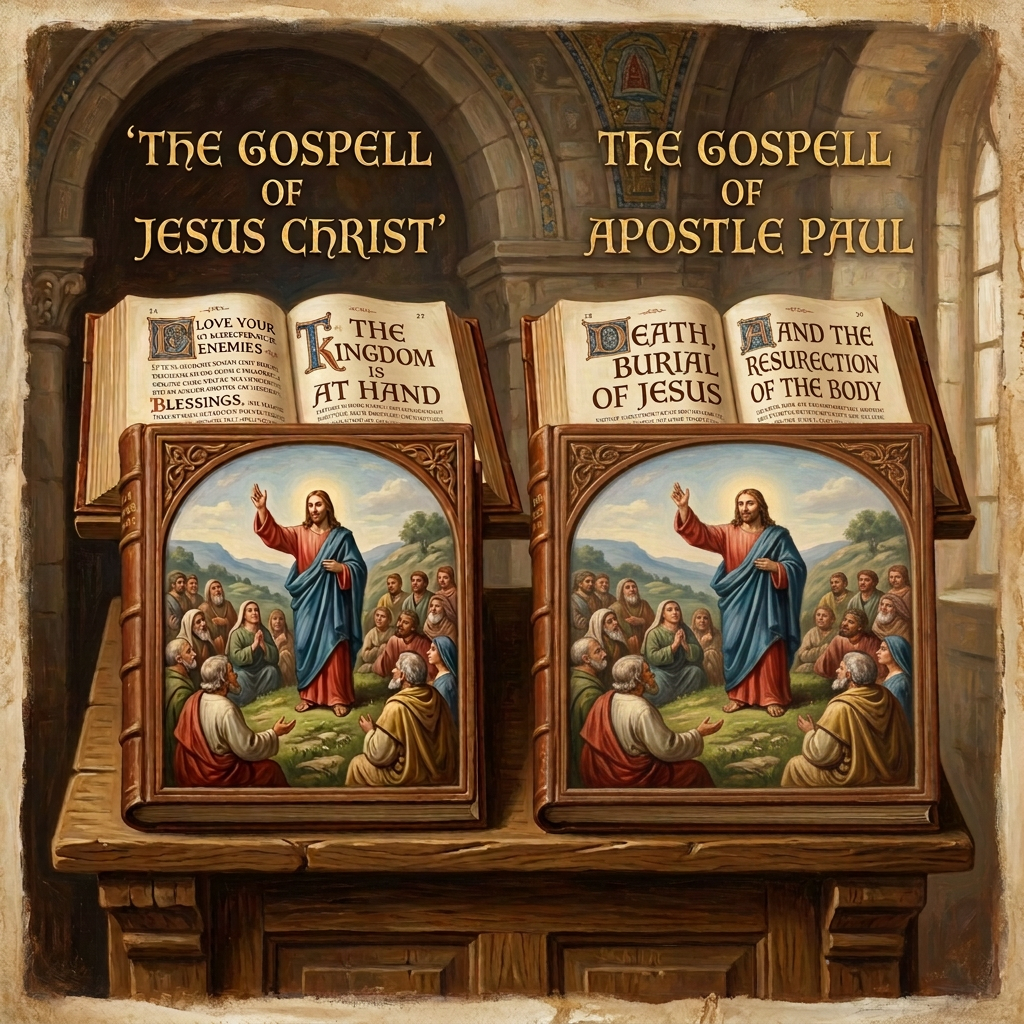
1. According to Paul, what is the “gospel”? (v. 3-4)
2. Did Jesus preach the gospel?
B. Messiah’s Resurrection Appearances (15:5-11)
3. Why does Paul say that he was “not fit to be called an apostle”? (v. 9)
C. The Certainty of The Resurrection (15:12-34)
1. If Messiah Has NOT Been Raised (15:12-19)
4. What does Paul say would be true if Messiah was not resurrected? (v. 17)
2. But Messiah HAS Been Raised (15:20-28)
5. How does Paul describe the process of the resurrection of the dead? (v. 23)
6. For how long must our resurrected Messiah reign? (v. 25)
3. Other Arguments for The Resurrection (15:29-34)
7. What does Paul recommend we do if there is no bodily resurrection? (v. 32)
D. The Resurrection Body (15:35-49)
Wayne Grudem: Systematic Theology

1 Corinthians Study 20 (right click, save as to download)
1 Corinthians Study (right click, save as to download)
I. Introduction
II. Greetings From Paul and Sosthenes (1:1-1:9)
III. Divisions in the Congregation (1:10-4:21)
IV. Moral Disorder (5:1-6:20)
V. Marriage (7:1-40)
VI. Food Sacrificed to Idols (8:1-11:1)
VII. Men and Women in Worship (11:2-16)
VIII. The Lord’s Supper (11:17-34)
IX. Spiritual Gifts (12:1-14:40)
A. Jesus is Lord (12:1-3)
B. The Need for Diversity (12:4-31)
C. Love – The More Excellent Way (13:1-13)
D. The Need for Intelligibility in the Assembly (14:1-25)
E. The Structure of Corporate Worship (14:26-40)
1. The Ordering of Worship / Ministry (14:26-33)
2. On Women Remaining Silent (14:34-35)
1. Does this seem right to you? (v.34)
3. Conclusion – Confrontation and Summary (14:36-40)
2. How does Paul characterize “the things which I write to you”? (v.37)
3. What is the commandment of the Lord regarding corporate worship? (v.39)
X. The Resurrection (15:1-58)
A. The Gospel of Grace (15:1-4)
4. According to Paul, what is the “gospel”? (v. 3-4)
5. Did Jesus preach the gospel?
B. Messiah’s Resurrection Appearances (15:5-11)
6. Why does Paul say that he was “not fit to be called an apostle”? (v. 9)
C. The Certainty of The Resurrection (15:12-34)
1. If Messiah Has NOT Been Raised (15:12-19)
Wayne Grudem: Systematic Theology
1 Corinthians Study 19 (right click, save as to download)
1 Corinthians Study (right click, save as to download)
I. Introduction
II. Greetings From Paul and Sosthenes (1:1-1:9)
III. Divisions in the Congregation (1:10-4:21)
IV. Moral Disorder (5:1-6:20)
V. Marriage (7:1-40)
VI. Food Sacrificed to Idols (8:1-11:1)
VII. Men and Women in Worship (11:2-16)
VIII. The Lord’s Supper (11:17-34)
IX. Spiritual Gifts (12:1-14:40)
A. Jesus is Lord (12:1-3)
B. The Need for Diversity (12:4-31)
C. Love – The More Excellent Way (13:1-13)
D. The Need for Intelligibility in the Assembly (14:1-25)
1. The “Greater Gift” – Prophecy (14:1-5)
2. Analogies That Argue for Intelligibility (14:6-13)
1. What should the person who speaks in tongues in a corporate setting pray for? (v. 13)
3. Application to the Believing Community (14:14-19)
2. How does Paul describe praying in tongues? (v. 14)
3. What does Paul thank God for? (v. 18)
4. Application for the Sake of Unbelievers (14:20-25)
4. For whom does Paul say that the spiritual gift of prophecy is for? (v. 22)
E. The Structure of Corporate Worship (14:26-40)
1. The Ordering of Worship / Ministry (14:26-33)
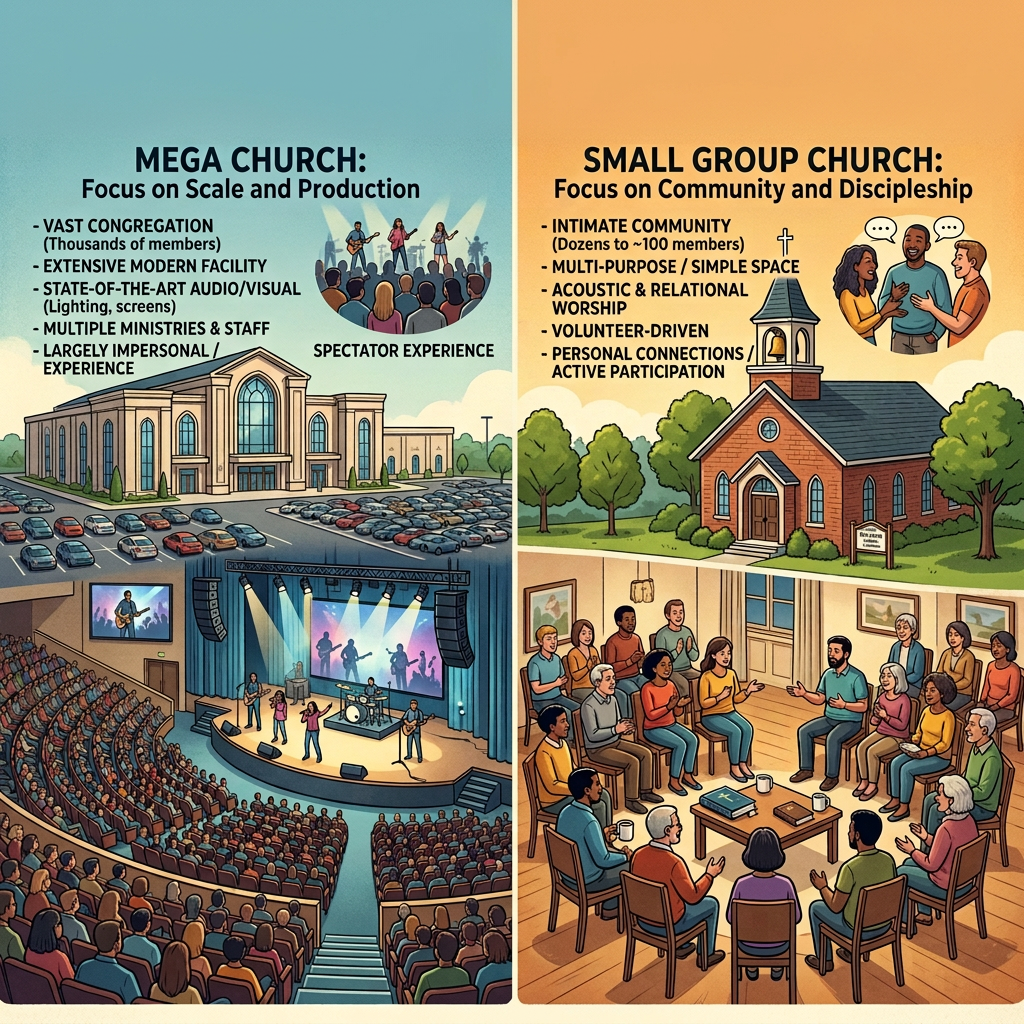
5. According to the Bible, who leads / participates in corporate worship? (v. 26)
6. According to the Bible, how does “each one” participate in corporate worship? (v. 26)
7. According to the Bible, who leads / participates in corporate worship? (v. 31)
2. On Women Remaining Silent (14:34-35)
Wayne Grudem: Systematic Theology
1 Corinthians Study 17 (right click, save as to download)
1 Corinthians Study (right click, save as to download)
I. Introduction
II. Greetings From Paul and Sosthenes (1:1-1:9)
III. Divisions in the Congregation (1:10-4:21)
IV. Moral Disorder (5:1-6:20)
V. Marriage (7:1-40)
VI. Food Sacrificed to Idols (8:1-11:1)
VII. Men and Women in Worship (11:2-16)
VIII. The Lord’s Supper (11:17-34)
IX. Spiritual Gifts (12:1-14:40)
A. Jesus is Lord (12:1-3)
B. The Need for Diversity (12:4-31)
C. Love – The More Excellent Way (13:1-13)
-
- The Necessity of Love (13:1-3)
1. What am I without love? (v. 2)
agapē : affection, good will, love, benevolence, brotherly love
2. The Character of Love (13:4-7)
2. What are the 15 attributes of love described by Paul? (v. 4-7)
Patient, Kind, Does not Envy, Does not Boast, Is not Arrogant
Is not Rude, Is not Self-Serving, Is not Easily Provoked, Keeps no Record of Wrong, Does not delight in Evil, Rejoices in Truth
Always Protects, Believes, Hopes, Endures, Nerver Fails
3. The Permanence of Love (13:8-13)
3. What will happen to the spiritual gifts given to the Ekklesia? (v. 8)
4. What is “the perfect” and what will “be done away”? (v. 10)
D. The Need for Intelligibility in the Assembly (14:1-25)
1. The “Greater Gift” – Prophecy (14:1-5)
5. What should be our attitude regarding spiritual gifts? (v. 1)
6. What does Paul wish for? (v. 5)
2. Analogies That Argue for Intelligibility (14:6-13)
7. What should the person who speaks in tongues in a corporate setting pray for? (v. 13)
Wayne Grudem: Systematic Theology
1 Corinthians Study 17 (right click, save as to download)
1 Corinthians Study (right click, save as to download)
I. Introduction
II. Greetings From Paul and Sosthenes (1:1-1:9)
III. Divisions in the Congregation (1:10-4:21)
IV. Moral Disorder (5:1-6:20)
V. Marriage (7:1-40)
VI. Food Sacrificed to Idols (8:1-11:1)
VII. Men and Women in Worship (11:2-16)
VIII. The Lord’s Supper (11:17-34)
IX. Spiritual Gifts (12:1-14:40)
A. Jesus is Lord (12:1-3)
B. The Need for Diversity (12:4-31)
1. Diversity of the Gifts (12:4-11)
————————————————————————————————————————————-
EXCURSUS: The Controversial Gifts
I. If you believe the gifts have ceased, what is your biggest problem if you are wrong in your belief?
II. If you believe the gifts have not ceased, what is your biggest problem if you are wrong in your belief?
———————————————————————————————————————————–
Forgotten member of the Trinity?
2. The Body – Diversity in Unity (12:12-14)
1. How do we enter (present tense) into the Ekklesia? (v. 13)
3. The Application (12:15-26)
2. How did we get (past tense) into the Ekklesia? (v. 18)
3. To whom has God given “more abundant honor” in the Ekklesia? (v. 24)
4. The Fact of Diversity (12:27-31)
4. Compare v. 28 and Ephesians 4:11. Can you summarize the similarities and differences between
these passages?
1 Corinthians 12:28 Ephesians 4:11
Apostles ————— Apostles
Prophets ————— Prophets
Teachers — \ Evangelist
Miracles \ Pastors
Healing \——Teachers
Helps
Administration
Tongues
5. What are the first three offices / gifts of the Ekklesia? (v. 28)
C. Love – The More Excellent Way (13:1-13)
1. The Necessity of Love (13:1-3)
6. What am I without love? (v. 2)
Wayne Grudem: Systematic Theology
1 Corinthians Study 16 (right click, save as to download)
1 Corinthians Study (right click, save as to download)
I. Introduction
II. Greetings From Paul and Sosthenes (1:1-1:9)
III. Divisions in the Congregation (1:10-4:21)
IV. Moral Disorder (5:1-6:20)
V. Marriage (7:1-40)
VI. Food Sacrificed to Idols (8:1-11:1)
VII. Men and Women in Worship (11:2-16)
VIII. The Lord’s Supper (11:17-34)
IX. Spiritual Gifts (12:1-14:40)
A. Jesus is Lord (12:1-3)
B. The Need for Diversity (12:4-31)
1. Diversity of the Gifts (12:4-11)
————————————————————————————————————————————-
EXCURSUS: The Controversial Gifts
I. Prophecy – Review John Piper article (Oldsalt1979.wordpress.com August 24, 2015)
A. “The New Testament Gift of Prophecy: Definition, Theses and Suggestions”
II. Speaking in Tongues
A. Is the Spiritual Gift of Tongues the evidence of Baptism in the Holy Spirit?
B. What is being “Filled” with the Holy Spirit?
C. How is a believer filled with the Holy Spirit?
D. What is the role of the Holy Spirit with respect to a member of the Ekklesia?
E. If you believe the gifts have ceased, what is the biggest problem you have if you are
wrong in your belief?
F. If you believe the gifts have not ceased, what is the biggest problem you have if you
are wrong in your belief?
———————————————————————————————————————————–
2. The Body – Diversity in Unity (12:12-14)
1. How do we enter into the Ekklesia? (v. 13)
3. The Application (12:15-26)
2. How did we get into the Ekklesia? (v. 18)
3. To whom has God given “more abundant honor” in the Ekklesia? (v. 24)
4. The Fact of Diversity (12:27-31)
4. Compare v. 28 and Ephesians 4:11. Can you summarize the similarities and differences between
these passages?
Wayne Grudem: Systematic Theology

1 Corinthians Study 15 (right click, save as to download)
1 Corinthians Study (right click, save as to download)
I. Introduction
II. Greetings From Paul and Sosthenes (1:1-1:9)
III. Divisions in the Congregation (1:10-4:21)
IV. Moral Disorder (5:1-6:20)
V. Marriage (7:1-40)
VI. Food Sacrificed to Idols (8:1-11:1)
VII. Men and Women in Worship (11:2-16)
VIII. The Lord’s Supper (11:17-34)
A. The Problem
B. The Solution
1. Discern the Body (11:27-32)
2. Wait for One Another (11:33-34)
1. How do they avoid the Lord’s judgment when participating in the Lord’s Supper? (v. 33)
IX. Spiritual Gifts (12:1-14:40)
A. Jesus is Lord (12:1-3)
2. What is required to believe that Jesus is Lord? (v. 3)
B. The Need for Diversity (12:4-31)
1. Diversity of the Gifts (12:4-11)
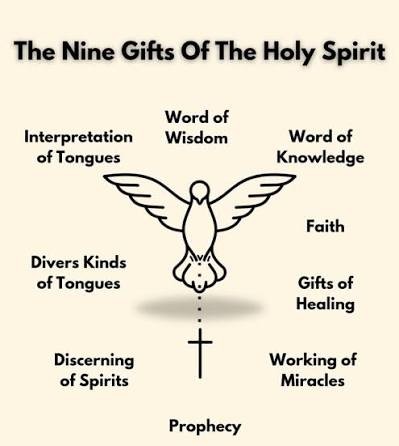
3. What nine spiritual gifts of the Holy Spirit that are given “to each one”? (v. 8-10)
Wisdom: sophia
Knowledge: gnōsis
Faith: pistis
Healing: iama
Miracles: dynamis
Prophecy: prophēteia
Distinguishing spirits: diakrisis pneuma
Tongues: glōssa
Interpretation: hermēneia
EXCURSUS: The Controversial Gifts
I. Based on your reading of the Bible, what is “prophecy”?
➢ Why might this spiritual gift (prophecy) be considered controversial?
➢ Read 1 Samuel 19:20-24. Who are the “School” or “Company” of prophets? (v. 20)
➢ What does it mean – “they prophesied”? (v. 20)
➢ Read Acts 21:1-11. Does all prophecy become Scripture?
➢ Can the Ekklesia protect itself against false prophecy? If so, how?
II. Is the Spiritual Gift of Tongues the evidence of Baptism in the Holy Spirit?
➢ What is being “Filled” with the Holy Spirit?
Wayne Grudem: Systematic Theology

1 Corinthians Study 14 (right click, save as to download)
1 Corinthians Study (right click, save as to download)
I. Introduction
II. Greetings From Paul and Sosthenes (1:1-1:9)
III. Divisions in the Congregation (1:10-4:21)
IV. Moral Disorder (5:1-6:20)
V. Marriage (7:1-40)
VI. Food Sacrificed to Idols (8:1-11:1)
VII. Men and Women in Worship (11:2-16)
VIII. The Lord’s Supper (11:17-34)
A. The Problem
1. Abuse of the Less Privileged (11:17-22)
2. Abuse of the Lord (11:23-26)
1. Where did Paul get his instructions on how to partake of the Lord’s Supper? (v. 23)
B. The Solution
1. Discern the Body (11:27-32)
Unworthy: anaxiōs
2. What must someone do before they partake of the Lord’s Supper? (v. 28)
Examine: dokimazō
to test, examine, prove, scrutinise
(to see whether a thing is genuine or not)
2. Wait for One Another (11:33-34)
3. How do they avoid the Lord’s judgment when participating in the Lord’s Supper? (v. 33)
IX. Spiritual Gifts (12:1-14:40)
A. Jesus is Lord (12:1-3)
4. What is required to believe that Jesus is Lord? (v. 3)
B. The Need for Diversity (12:4-31)
1. Diversity of the Gifts (12:4-11)
5. What nine spiritual gifts of the Holy Spirit that are given “to each one”? (v. 8-10)

