
Hebrews Study 06  (right click, save as to download)
Hebrews Study  (right click, save as to download)
I. Introduction
II. The Pre-Eminence of the Son (1:10-10:18)
A. The Theme (1:1-3)
B. The Superiority of the Son to Angels (1:4-2:18)
C. The Superiority of the So to Moses (3:1-6)
D. The Second Warning: The Danger of Disobedience (3:7-4:13)
E. The Superiority of the Son to Aaron (4:14-10:18)
1. A Better Position (4:14-16)
2. A Better Priest (5:1 – 7:28)
a) The Prerequisites of Priesthood (5:1-4)
b) The Qualification of the Son (5:5-10)
c) The Third Warning – The Denger of Immaturity (5:11-6:20)
(1) The Fact of Stagnation (5:11-14)
(2) The need for Progression (6:1-8)
(a) The Doctrine of First Principles (6:1-3)
(b) The Danger or Relaspe (6:4-6)
1. Can a believer lose his salvation? (v. 4-6)
parapiptō Falled away Hebrew 6:6
If we confess our sins, he is faithful and just to forgive us our
sins and to cleanse us from all unrighteousness. 1 John 1:9
(c) The Illustration
2. What happens to vegiation that yields thorns and thistles”? (v. 8)
(3) The Encouragement (6:9-20)
(a) The Certainty of Salvation (6:9-12)
3. What will God not forget concerning these Jewish believers? (v. 10)
(b) God’s Promises Cannot Fail (6:13-20)
4. How does the writer describe Jesus in this verise? (v. 20)
d) The Priesthood of Melchizedesk (7:1-18)
(1) The 1st Comparison: Melchizedek and Jesus (7:1-3)
5. What does the name “Melchizedek” mean? (v. 2)
(2) The 2nd Comparison: The Priesthood of Melchizedek and the Levitical Priesthood (7:4-10)
6. Who is the “lesser” and who is the “greater” in the verse? (v. 7)
(Amazon Link)

Hebrews Study 05 (right click, save as to download)
Hebrews Study (right click, save as to download)
I. Introduction
II. The Pre-Eminence of the Son (1:10-10:18)
A) The Theme (1:1-3)
B) The Superiority of the Son to Angels (1:4-2:18)
C) The Superiority of the So to Moses (3:1-6)
D. The Second Warning: The Danger of Disobedience (3:7-4:13)
1. Admonition Against Disobedience (3:7-19)
2. Argument Regarding the Rest of Faith (4:1-10)
3. Exhortation to Enter into Rest (4:11-13)
1. What are five ways the writer describes “the word of God”? (v. 12)
Living (zaō), Active (energēs), Sharp (tomos), Piercing (diikneomai ), Judge (kritikos )
E. The Superioritiy of the Son to Aaron (4:14-10:18)
- A Better Position (4:14-16)
2. Why does Jesus qualify as the “great high priest” who can sympathize with our weaknesses? (15)
2. A Better Priest (5:1-7:28)
a) The Prerequsities of Priesthood (5:1-4)
3. What is the duty of every high priest? (v. 1)
b) The qualifications of the Son (5:5-10)
4. How did Jesus learn obedience? (v. 8)
5. How does Jesus qualify as a High Priest? (v. 10)
c) The Third Warning – The Danger of Immaturity (5:11 – 6:20)
(1) The Fact of Stagnation (5:11-14)
6. Why does the writer say that these Jewish believers “ought to be teachers”? (v. 12)
(2) The Need for Progression (6:1-8)
(a) The Doctrine of First Priciples (6:1-3)

Hebrews Study 04 (right click, save as to download)
No audio
I. Introduction
II. The Pre-Eminence of the Son (1:10-10:18)
A) The Theme (1:1-3)
B) The Superiority of the Son to Angels (1:4-2:18)
C) The Superiority of the So to Moses (3:1-6)
D. The Second Warning: The Danger of Disobedience (3:7-4:13)
1. Admonition Against Disobedience (3:7-19)
a) The Wilderness Generation Lesson (3:7-11)
b) The Appliction of the Lession (3:12-15)
1. What should we be doing “today”? (v. 13)
c) The Interpretation of the Lesson (3:16-19)
2. Why was the wilderness generation of Israel Prevented from entering the Promised Land? (v. 19)
2. Argument Regarding the Rest of Faith (4:1-10)
3. What should be the believer’s attitude in light of the lesson of the Wilderness Generation? (v. 1)
3. Exhortation to Enter into Rest (4:11-13)
4. What are five ways the writer describes “the word of God”? (v. 12)
E. The Superiority of teh Son to Aaron (4:14-10:18)
- A better Position (4:14-16)
5. Why does Jesus qualify as a “great high priest” who can sympathize with our weaknesses? (v. 15)
2. A Better Priest (5:1-7:28)
a) The Prerequisites of Priesthood (5:1-4)
6. What is the duty of every hight priest? (v. 1)

Hebrews Study 03 (right click, save as to download)
(right click, save as to download)
I. Introduction
II. The Pre-Eminence of the Son (1:10-10:18)
A) The Theme (1:1-3)
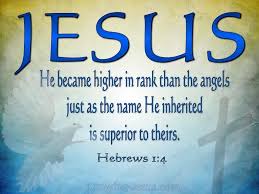
B) The Superiority of the Son to Angels (1:4-2:18)
- His Deity: Proof from the Scripture (1:4-2:18)
- The First Warning – The Danger of Drifting (2:1-4)
- His Humanity: Proof from His Sovereigntiy (2:5-9)
- Proof from His Salvation (2:10-18)
a. To Bring Many Sons to Glory (2:10-13)
1. How was the Author of our Salvation made perfect? (v. 10)
b. To Overcome the Devil (2:14)
2. How did Jesus overcome the devil? (v. 14)
c. To Free the Believer (2:15)
3. How are people subject to slavery? (v. 15)
d. To Help Man (2:16-18)
4. Why does Jesus qualify as “a merciful and faithful high priest”? (v. 17)
C. The Superiority of the Son to Moses (3:1-6)
1. In His Person and Work (3:1-4)
5. Who has greater glory than Moses? (v. 3)
2. In His Position (3:5-6)
6. What are “those things which were to be spoken later”? (v. 5)
D. The Second Warning: The Danger of Disobedience (3:7-4:13)
1. Admonition Against Disobedience (3:7-19)
a) The Wilderness Generation Lesson (3:7-11)
 (right click, save as to download)
Hebrew Study (right click, save as to download)
I. Introduction
II. The Pre-Eminenece of the Son (1:10-10:18)
(right click, save as to download)
Hebrew Study (right click, save as to download)
I. Introduction
II. The Pre-Eminenece of the Son (1:10-10:18)
A. The Theme (1:1-3)
B. The Superiority of the Son to Angles (1:4-2:18)
-
- His Deity: Proof from the Scriptures (1:4-14)
1. Which two Old Testament passages does the writer quote in verse 5? (v. 5)
2. What is the duration of the Son’s throne? (v. 8)
3. Which Old Testament passage does the writer quote in verse 13? (v. 13)
2. The First Warning – The Danger of Driftig (2:1-4)
4. What was “the word spoken through angels”? (v. 2)
3. His Humanity: Proof from His Sovereignty (2:5-9)
5. Who was made “for a little while” lower than the angels”? (v. 9)
4. Proof from His Salvation (2:10-18)
a) To Bring Many Sons to Glory (2:10-13)
6. How was the Author of our Salvation made perfect? (v. 10)
b) to Overcome the Devel (2:14)
7. How did Jesus overcome the Devel? (v. 14)
c) To Free the Believer (2:15)
8. How are people subject to slevery? (v. 15)
d) To Help Man (2:16-18)
9. Why does Jesus qualify as “a merciful and faithful high priest”? (v. 17)


Hebrews Study 01 (right click, save as to download)
Hebrew  (right click, save as to download)
Pre-Eminence of the Son (1:1-10:18)
I. Introduction
A. Authorsip
B Audience
C. Date
D. Two Main Divisions
- Pre-Emenence of the Son (1:1-10 -10:18)
- Practical Application of the Pre-Emenece of the Son in the Walk of the Believer (10:19 – 13:25)
II. The Pre-Eminenece of the Son (1:10-10:18)
A. The Theme (1:1-3)
- How did God Speak “long ago”? (v. 1)
- How has God spoken “in these last days”? (v. 2)
- Who “made the world”? (v. 2)
B. The Superiority of the Son to Angles (1:4-2:18)
- His Deity: Proof from the Scriptures (1:4-14)
4. Which two Old Testament passages does the writer quote in verse 5? (v. 5)
5. What is the duration of the Son’s throne? (v. 8)
6. Which Old Testament passage does the writer quote in verse 13? (v. 13)
2. The First Warning – The Danger of Driftig (2:1-4)
7. What was “the word spoken through angels”? (v. 2)
3. His Humanity: Proof from His Sovereignty (2:5-9)
8. Who was made “for a little while” lower than the angels”? (v. 9)
4. Proof from His Salvation (2:10-18)
Jeremiah Study 43 (right click, save as to download)
Jeremiah (right click, save as to download)
Jeremiah
- Jeremiah 52: 1-3
- Zedekiah
- Last King to rein in Jerusalem
- 21 y/o, 597 BC
- Reined for 11 years
- Babylon destroyed Israel
- Did evil in sight of the LORD.
- Zedekiah
- Jeremiah 52: 4-11
- 586 BC: Babylon’s Nebuchadnezzar sieged Jerusalem
- Severe famine
- Zedekiah was captured in the plains of Jericho
- Taken to Riblah
- Zedekiah’s sons were slaughtered before him
- then blinded
- remained in prison till his death
- Jeremiah 52:12-16
- Nebuzaradan: “Chief of Staff”
- Burned
- House of the LORD
- The King’s house
- all the houses of Jerusalem
- Every large house
- broke down the walls around Jerusalem
- Took
- Some poorest of the land
- those who where left in the city
- deserters
- Left the poorest of the land to live off the land
- Burned
- Nebuzaradan: “Chief of Staff”
- Jeremiah 52:17-23
- Taken to Babylon from the Temple
- Bronze pillars,
- Bronze Stands
- Bronze Sea
- Pots, Shovels, snuffers. basins, pans
- bowls, fire pans, basins, pots, lamp stands, fine gold and silver
- Taken to Babylon from the Temple
- Jeremiah 52:24-27
- Taken
- Seaiah the chief priest
- Zephaniah the second priest
- temple officers
- city officials
- All put to death
- Judah led away to exile, as prophesied.
- Taken
- Jeremiah 52: 28-30
- Those exiled: probably/possibly a later group after 586 BC
- Jeremiah 52: 31-34
- King served for 1 year, (Jehoiachin/Jeconiah), Babylon exiled him,
- Life in Messiah (descendant of King David: None of Jeconiah’s descendants will sit on the throne) Mary’s genealogy is traced not through Jeconiah but through Mary – Nathan
- Placed in prison by Evil-merodach (Nebuchadnezzar’s successor) and 20 years later Jeconiah is released from prison
- King served for 1 year, (Jehoiachin/Jeconiah), Babylon exiled him,

Jeremiah Study 42 (right click, save as to download)
Jeremiah (right click, save as to download)
Jeremiah
- Babylon Jeremiah 50:1-51:64
- Past? / Near Prophesy
- close to Jeremiah’s life, historically Babylon fell after taking over middle east, 539 BC. then taken over by Persian empire
- Future? / Far Prophesy
- speaking of future Babylon Rev 17 and Rev 18
- Jeremiah 49:39
- Past? / Near Prophesy
- Jeremiah 50:2-46 : Babylon’s fall and Israel’s deliverance
- From North, No inhabitants,
- Historically: not a complete destruction, Modern Iraq
- v 4 and 5: Nation of Israel will turn to Zion, The New Covenant? (With Israel to be fulfilled when Yeshua returns)
- v 6: my people are lost sheep because the leaders have led them away!
- v 9 and v 10: against Babylon, a horde of nations against Babylon from the north
- v 11 – 16: Judgement of Babylon. seems like a total destruction – future?
- v 17 – 19: restoration of Israel: pardon for Israel, the remnant
- v 21 – 28: total destruction of Babylon
- v 29 – 32: more prophesy of destruction of Babylon
- v 33 – 34: Israel redeemed
- v 35 – 40: scope of destruction on Babylon
- v 41 – 46: Invasion from the north
- Jeremiah 51:5-6: Israel preserved
- v 7-10: Golden cup of the earth: Rev 17-18??
- 11-14: Plans for Babylon and the future Temple
- 15-19: Israel will not be destroyed
- 20 -24: judgement on Babylon, because of their treatment of Israel
- 37: Babylon will be a heap of ruins
- 41-44: total destruction
- 45-49: warning to leave Babylon: Rev 17
- 50-53: days are coming – punishment of Babylon
- 54-58: more destruction of Babylon
- 59-64: Written prophesy on Babylon to be read publicly, as soon as finish sink it in the Euphrates with a stone

Jeremiah Study 41 (right click, save as to download)
Jeremiah (right click, save as to download)
Jeremiah
- Jeremiah 45:1-5
- Jeremiah 46: 1
- Revelation 16
- These nations: You were an enemy to MY PEOPLE.
- Previous study of Revelation (Exeraunao.com)
- Isaiah
- Prophecies: 2 types:
- those that have been fulfilled and
- yet to come
- Prophecies: 2 types:
- Egypt:
- Jeremiah 46:2-28
- 605 BC
- fulfilled
- Jeremiah 46: 13-26
- fulfilled
- “will be given over to Nebuchadnezzar King of Babylon”
- Isaiah 19:24-25 Future of Egypt (Zechariah 14)
- Jeremiah 46: 27-28
- Jacob: do not fear, you will be saved, the nations that mistreated you will come to an end, but you will not end!
- Matthew 24, 25 signs of Messiah’s return
- YHWH’s promise to Israel: Restoration
- Jacob: do not fear, you will be saved, the nations that mistreated you will come to an end, but you will not end!
- Jeremiah 46:2-28
- Philistine: Jeremiah 47:1-7
- all the Philistines comes to and end
- “Sea peoples” Mediterranean western coast of Israel
- “Palestine” came from Rome, after the destruction of Jerusalem and Israel’s continued grassroots revolts. Rome finally came through to put down the revolution and renamed the area Palestine to aggravate the “former nation of Israel”
- all the Philistines comes to and end
- Moab: Jeremiah 48: 1-47
- Lot’s history:
- daughter had a son, became Moab.
- Jeremiah 48:47, Yet I will restore fortunes of Moab in the latter days.
- Lot’s history:
- Ammon: Jeremiah 49:1-6
- daughter had a son, became Ammon, capital of Jordan today.
- 1-5: destruction
- 6: I will restore the fortunes of the sons of Ammon
- Edom: Jeremiah 49: 7-22
- Edomites: Israel’s twin brother, Esau,
- destruction because of their treatment of Israel
- Edomites: Israel’s twin brother, Esau,
- Damascus (Syria) Jeremiah 49:23-27
- Kedar and Hazor (Arab Tribes) (Jeremiah 49:28-33)
- Elam (Persia/Iran) Jeremiah 49:34-39
- Babylon Jeremiah 50:1-51:64
- Revelation 16

Jeremiah (right click, save as to download)
Jeremiah
- Jeremiah 44:7-10
- The Jewish people who are in Egypt cut themselves off from the their brothers and sisters in the Land.
- Idolatry to the Egyptian gods
- Failed to remember their past and continue to repeat it
- hard hearted
- The Jewish people who are in Egypt cut themselves off from the their brothers and sisters in the Land.
- Jeremiah 44:11-14
- They tried to run away from judgement, but it followed them there.
- Jeremiah 44:15-19
- The Men FAILED to guide, love and support their homes and families.
- We flat out reject your message, Jeremiah!
- Our idol worship seemed prosperous, then we stopped and now we lack everything.
- Queen of heaven: Ishtar/Easter
- Jeremiah 44:20-23
- It is because they were disobedient that they suffered
- Jeremiah 44:24-30
- Egypt will be taken by Nebuchadnezzar
 Exeraunao